Our team is made up of interdisciplinary researchers working in Psychology, Health, Education, and beyond at all career stages. The team brings together expertise from a wide range of backgrounds to focus on the core aims of early intervention, prevention and increasing access to mental health care for young people across BaNES, Swindon and Wiltshire. The research team is supported by skilled operations staff as well as a patient and public involvement and engagement team.

She/her
Pamela is the Director of the Bath Mental Health Research Group and the Principal Investigator. Pamela specialises in developing and evaluating psychological interventions, including cognitive-behavioural therapy (CBT) and mindfulness-based interventions. Pamela is a psychosis expert in both her research and clinical work, and is a HCPC registered Clinical Psychologist, with a background in NHS practice working across inpatient and community services for adults with complex needs. Pamela has led the founding of the MHRG and is responsible for the overall running of the MHRG, ensuring that the mission statement of the MHRG is embedded throughout all its activities in working to improve the health and wellbeing of children and young people in the Bath, Swindon, and Wiltshire region and beyond.

She/her
Ailsa is a clinical psychologist and researcher. The main focus of her research is how best to adapt mental health interventions to meet the needs of autistic people. Ailsa is the deputy director of the Bath MHRG with specific responsibility for workforce development and training.

She/her
Andie brings over 15 years’ experience supporting mental health organisations and more than 30 years in management. At MHRG, she oversees day-to-day operations, ensuring smooth systems, guidance, and a positive, development focused team culture. Her responsibilities include HR coordination, financial oversight, research governance, data and ethics compliance, administrative systems and reporting to funders. She works collaboratively with internal and external partners. Andie also plays a key role in planning and delivering major Centre events and contributes to shaping the Centre’s processes and strategic direction. Once a plane flying drag queen, she now enjoys podcasts and slow cooking.

She/her
Jess looks after the day-to-day running of our Bath MHRG research centre. She helps set up smooth processes to keep the centre growing and works on tasks like financial reporting, governance, and building partnerships. Jess is also a main point of contact for academics, NHS teams, schools, local authorities, and charities. With a background in psychology and experience supporting youth mental health, Jess is enjoying the opportunity to learn how research is carried out while strengthening her organisational skills.

Lucy is Patient and Public Involvement and Engagement Lead and brings with her a wealth of experience from over 10 years of working in PPIE roles. Lucy brings her own lived experience of mental health difficulties and is passionate about improving research, understanding and treatment through compassionate, evidence-based treatment. Lucy is excited to be working with young people ensuring their thoughts, views, perspectives and experiences are woven integrally through all research and subsequent intervention design. Lucy is keen to find creative, engaging ways to hear young people’s perspectives and feels it’s important involvement feels meaningful and rewarding for the individuals involved as well as being beneficial for the research.

She/they
Harriet has in-depth experience working with young people and diversity groups her role includes supporting Bath MHRG to involve a range of people meaningfully in research. Harriet brings experience in youth services and is leading on connecting organisations and academics to develop collaborative research opportunities. She is developing and leading the Youth Strategy Group and focusing on core principles of youth and public and patient involvement. They also support the academic team to develop communications and public facing events to create mutually beneficial involvement work across the region and beyond..


Jeff is an Associate Professor at the University of Bath, specialising in the application of psychology and behavioural science to physical activity, mental health, and digital self-management interventions.
His research focuses on the development and evaluation of innovative, evidence-based approaches to promote physical and mental wellbeing, with a particular emphasis on leveraging digital technologies to improve accessibility, engagement, and effectiveness. Within the Bath Mental Health Research Group, Jeff leads research into digital self-help for common mental health difficulties.

Graeme is a Professor in the Department of Psychology and leads the Work Package focused on supporting young people with behavioural difficulties or neurodivergence within the Mental Health Research Group. He is interested in youth mental health and developmental psychology, and has a particular interest in neurodevelopmental disorders and neurodivergence in children and adolescents.

Professor Freeman is a psychologist who specialises in addictions research. His work includes observational studies characterising changes in cannabis products and their association with addiction and mental health outcomes. Professor Freeman has also worked on novel harm reduction strategies such as the standard THC unit (similar to the standard alcohol unit), the potential of cannabidiol to influence the effects of cannabis, and clinical trials of cannabidiol as a treatment for cannabis use disorder. Professor Freeman leads the work package on substance misuse for the MHRG.

Sarah Halligan is Professor of Child and Family Mental Health at the University of Bath. Her research examines the development of trauma-related psychological disorders, particularly posttraumatic stress disorder (PTSD), with a focus on young people. Professor Halligan is particularly interested in learning how parents and others can support children and adolescents who are struggling with mental health problems, and to identify potential intervention targets. Professor Halligan is leading the work package on addressing modifiable risk factors for young people who have been exposed to adverse experiences early on in life to improve later outcomes.

Katherine Button is Associate Professor in Clinical Psychology at the University of Bath. Her research examines the cognitive mechanisms that contribute to common mental health problems and how this understanding can be used to improve treatment and outcomes in routine care. She is looking forward to using linked electronic health records to map care pathways for CYP with additional needs, evaluate treatment outcomes, and identify practical targets to improve access and recovery in routine services.

Maria is a Professor, Clinical Psychologist and NIHR Advanced Fellowship holder based in the Department of Psychology. Her research focuses on improving early access to help for adolescents experiencing depression symptoms, using barrier free digital single session interventions (SSIs). In the Mental Health Research Group she is expanding this into 19-25 year olds. She is passionate about involving young people in research as advisors and co-researchers, and about making a real world difference by enabling young people to thrive in their lives.

James is Professor of Metabolic Physiology at the University of Bath, where his research has involved randomised controlled trials to study the effects of nutrition on metabolic regulation, and research examining the links between nutrient timing and human health. Professor Betts will lead on the methodological aspects of physiological measures of stress reactivity in the work package on addressing modifiable risk factors for young people exposed to early adversity.

Ceri Brown is an education researcher whose work explores children and young people’s wellbeing, identity, and sense of belonging across school and post-school transitions. Her research focuses on how social relationships, institutional practices, and structural inequalities shape children’s educational outcomes and lived experiences, with particular attention to those facing socio-economic disadvantage, and young people at risk of becoming NEET. Ceri is co-founder of Connected Belonging, an educational research team dedicated to strengthening engagement, inclusion, and wellbeing through collaborative, applied research with schools, communities, and international partners. She is committed to research that informs policy and practice and foregrounds the voices of marginalised young people.

She/Her
Dr. Lindsey Hines is a Lecturer in Psychology. Her research focuses on the epidemiology of substance use and mental health during adolescence and young adulthood, with an emphasis on understanding how patterns of cannabis and other drug use influence mental health outcomes, psychosocial development, and risk behaviours. Through her work in the MHRG, Dr. Hines aims to generate evidence that informs prevention, early intervention, and policy in youth mental health and substance use.

Dr. Jack Spicer is a Senior Lecturer in Criminology with a particular focus on issues relating to illicit drugs. His research interests include the functioning of illicit drug markets, the enforcement of drug laws and critical analysis of drug policy. He is primarily a qualitative researcher, using ethnographic and interview-based approaches to help understand, explain and reduce drug related harm. His work in the MHRG focuses on exploring young people’s use of THC vapes. By undertaking in-depth interviews, he is developing a deeper understanding of young people’s experiences of these products and how they manage the associated risks.


Jasmine is a Lecturer in Psychology at the University of Bath. Her work focuses on the causes and consequences of e-cigarette use (vaping) as well as the potential impact that e-cigarette policy changes and prevention initiatives could have on young people. In the MHRG, she will use genetic, psychological, and public health approaches to explore how young people’s mental health can be impacted by vaping and what influence nicotine regulations have on their use of nicotine products or other substances. Her work supports proportionate regulation and prioritises young people’s perspectives.

Atiyya is a postdoctoral research associate working to adapt and evaluate single-session interventions (SSIs) for young adults aged 19-25. She is a mixed-methods researcher with a range of experience working on randomised control trials (RCTs) to develop the evidence base for youth mental health interventions, including in school-based and social care contexts. She is also passionate about cultural adaptation of mental health interventions for youth from ethnic minority backgrounds.

Rosie is a Post-Doctoral Research Associate working on research which aims to understand what support is available for young people experiencing behavioural and attentional difficulties, and how families navigate accessing this support. Rosie is also currently working on developing guidance around implementing evidence-based interventions and service change for children’s social care as part of a placement with a Department for Education funded organisation (Foundations). She is passionate about including lived-experience voices in her work and ensuring that research has an impact on both policy and practice.

He/him
Tom is a post-doctoral research associate working to co-develop and evaluate mental health interventions for young people at risk of developing severe mental health conditions. Tom is a mixed-methods researcher, passionate about working with people with lived experience in research. He has previously worked on projects about experiences of dehumanisation, psychosis, and mindfulness. Alongside his research experience, Tom has worked as an Assistant Psychologist and Support Worker in mental health services, including charities, university, and the NHS.

Rawan is a researcher within the work package focusing on Behavioural Difficulties and Neurodivergence. She has been working in applied psychology research since her undergraduate and has experience in mixed-methods research with families, children and young people. Rawan is involved in the planning and delivery of a series of mixed-methods studies with children and young people, parents and professionals, including a qualitative cross-sectional and a large longitudinal study.
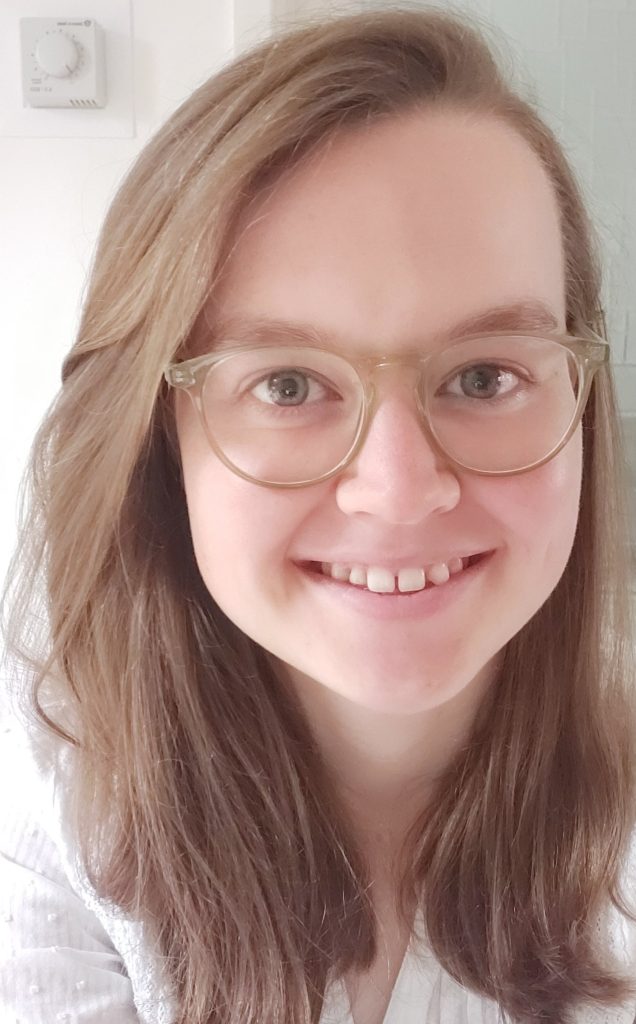
Iona is a researcher focusing on digital interventions for mental health difficulties and improving outcomes after adverse childhood experiences. Iona has experience of delivering research testing interventions aimed to improve mental health difficulties, and supporting individuals on their participation journey throughout a research project. Iona is passionate about improving the availability and accessibility of research opportunities, creating space for individuals to have a voice in what matters to them.
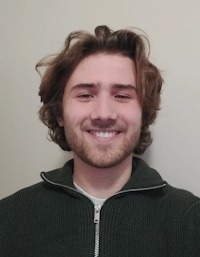
Gyles Cozier is a Research Associate in the Department of Life Sciences at the University of Bath. His research experience includes a background of working on protein structure and function, where projects have included using X-ray crystallography to support drug discovery to develop treatments for cancer and hypertension, and using assays/cell imaging to improve understanding of cell signalling to identify therapeutic targets. More recently he has been involved in projects developing fluorescence based portable detectors of illicit drugs. In particular, the development of a hand-held device that can instantly detect synthetic cannabinoids (Spice) on paper, herbal material and fabric. This will be used in the work package on substance misuse to develop and evaluate harm reduction strategies.
He/him
Kieran is a PhD researcher involved in the work package focusing on Behavioural Difficulties and Neurodivergence. His research interests include children and young people’s mental health, with a particular interest in neurodevelopmental disorders (e.g. ADHD and autism), and the functioning of related health systems. Kieran’s PhD research will capture the experiences of families on the pathways of accessing support.

Vyara’s research explores how neurodevelopmental needs and mental health outcomes of children and young people are identified, assessed, and recorded within electronic health records (EHRs). Working in collaboration with Mayden, an industry-leading digital health company, Vyara will analyse large-scale EHR data to better understand and ultimately improve access to care and treatment outcomes for neurodivergent children and young people with mental health needs. Vyara aims to integrate her first-hand clinical insight with data-driven research to harness the potential of electronic health records and improve mental health services for this underserved population.

She/her
Cody is a research assistant within the Bath MHRG, utilising large-scale longitudinal data to examine mental healthcare provision for children with neurodevelopmental conditions. Cody is a mixed-methods researcher and, alongside this role, is completing a PhD at the University of Bath on the mental health of care-experienced children and young people in the UK.

Caledonia (Callie) is a PhD student with an interest in improving physical and mental health outcomes for children and young people, and a particular interest in psychological and lifestyle interventions. In the MHRG she works on exploring early interventions for trauma exposed youth, with a focus on physical activity interventions. Callie is based in the Department for Health, which offers opportunities to examine potential mechanisms underpinning intervention effects, including factors such as stress reactivity..
Nicki is CAMHS practitioner currently developing an outreach intervention aimed at improving mental health and reducing isolation for autistic children and young people. Often, these young people are not currently well served by CAMHS services. She has been awarded Research Capability Funding from AWP NHS Trust and is currently on secondment at Bath University in order to learn more about research in preparation for an NIHR grant application. She has worked in CAMHS services in Surrey and in Bristol in both the Primary Mental Health team and the Community CAMHS Team for over 16 years.

Ella is a placement student in the Bath MHRG and is currently in her third year of studying BSc Psychology at the University of Exeter. As part of her team, she investigates the healthcare provision and experiences of young people with attentional and behavioural difficulties. Ella contributes to the preparation and delivery of the qualitative study involving children, parents, and professionals, as well as the mixed-methods longitudinal study with children aged 9–12 and their parents or carers. She is committed to contributing to meaningful and impactful research to support young people and their families.
